

Let’s be real, the mortgage process can feel a little intimidating. Between confusing financial terms, online misinformation, and pressure to have it all figured out, it’s easy to feel overwhelmed before you even start.
The good news? Buying a home may be more achievable than you think.
As your local community bank, we believe in making the mortgage process feel less stressful and a lot more approachable. We asked our mortgage team about the most common misconceptions they hear from homebuyers, especially first-time buyers. Here’s what they want you to know.
Myth #1: You need 20% down to buy a home.
This is probably the biggest mortgage myth out there.
While putting 20% down used to be more common, today’s homebuyers have a lot more flexibility. Depending on the type of loan you qualify for, you may be able to buy a home with as little as 3% down.
Some loan programs, like Rural Development or VA loans, may even offer 0% downpayment options for eligible buyers.
That means buying a home could be closer than you think, even if you haven’t built up a huge savings account yet.
Every situation is different, which is why talking with a local mortgage lender can help you understand what options make the most sense for your goals and budget.

Myth #2: Your Credit Has to be Perfect
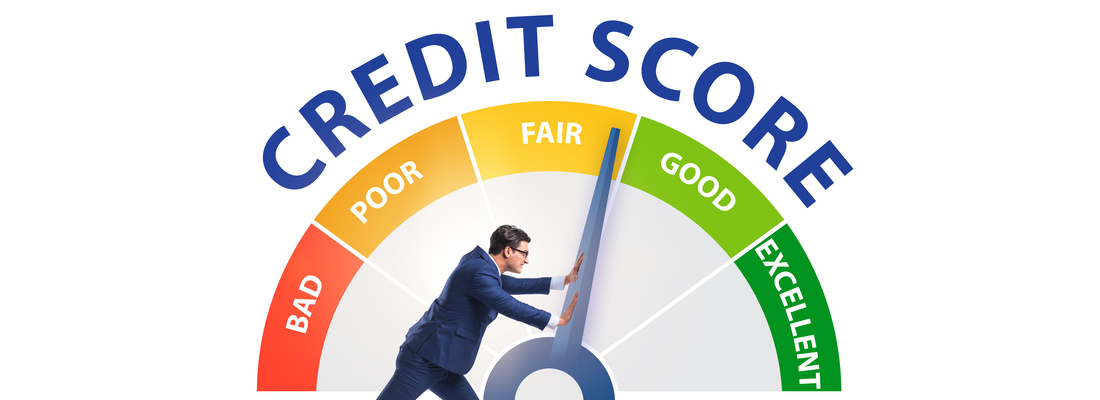
If you’ve ever missed a payment, carried credit card debt, or made financial mistakes in the past, you’re definitely not alone. Having less than perfect credit doesn’t automatically mean homeownership is off the table.
Many buyers qualify for conventional or FHA loans with average credit scores.
And if your score needs some work? That’s okay too. A mortgage lender can help you understand where you stand and what steps could help improve your chances of qualifying in the future.
Sometimes small changes, like paying down balances or making on-time payments consistently, can make a bigger impact than you’d expect.
The important thing is getting started and asking questions. You don’t have to figure it out all on your own.
Myth #3: Buyers Have to Pay All Closing Costs Themselves
Buying a home comes with expenses, but many people don’t realize that some costs can actually be negotiated.
In certain situations, sellers may agree to help cover part of your closing costs. Depending on your loan type and down payment, seller concessions can range from 2-6% of the purchase price.
A few negotiable costs may include:
- Title Search Fees
- Settlement or Closing Agent Fees
- Inspection Fees
When reviewing your loan estimate, it’s important to understand which costs are flexible and where you may have room to negotiate.
Pro Tip:
Focus first on the costs that will make the biggest difference to your budget. You can also combine seller concessions with other negotiations, like repair credits or price adjustments to create a stronger overall offer.
Having an experienced real estate agent and mortgage lender on your side can make this process much easier.

Myth #4: The Lowest Interest Rate is Always the Best Option
A low interest rate sounds great, and sometimes it is the best fit. But it’s important to look at the full picture.
Some lower-rate mortgages come with higher upfront costs, like origination fees or discount points, which can increase what you pay at closing.
In some cases, loans with lower rates may also have stricter terms or longer repayment periods. While the monthly payment may look smaller, a longer loan term could mean paying more interest over time.
That’s why it’s important to compare more than just the rate itself.
The best mortgage option is the one that fits your financial situation, goals, and timeline, not just the one with the lowest number on paper.
Remember: asking questions is part of the process. A good lender wants you to fully understand your options and feel confident in your decisions.
We’re Here to Help
Buying a home is a big step, and you shouldn’t have to navigate it alone.
At Availa Bank, our mortgage team is here to answer your questions, explain your options, and help you feel confident throughout the process, whether you’re ready to buy now or just starting to explore your options.
No pressure. No confusing jargon. Just real people ready to help.
Ready to get started or have questions? Reach out to our team today!
